Spain
How to Make Friends in a New City – Tip #1
- JOIN A LANGUAGE SCHOOL
Now, this may seem like an obvious thing to do if you move to a country where you don’t speak the local language (and no, ordering a burger or asking where the bathroom is does not count), especially if you plan to stay there for a couple of months or more.
But many expats and immigrants, particularly from my “brown” part of the world, prefer to muddle through daily life with vernacular scraps, picked up in various situations and locations, and, needless to say, grammatically atrocious. Coupled with histrionic gestures and deliberately choppy English, they manage to make themselves almost perfectly understood, albeit in a primitive, cave-man sort of way. “I-go-mercado, para shopping.” “This-seat-libre, por favor?” “Me gusta this movie. It is muy bien.” “Tiene scissors, chop-chop?”
The real barrier, though, is the cost of learning a language. Well-reputed language schools promise you many grand things – “Speak Spanish like a native in just six weeks! Three months to your dream job as a parasailing instructor in sun-filled Majorca! Looking for love in Spain? Let us teach you the language of loveee!” But they also require you to dig deep into your pockets for the bargain, which most immigrants cannot afford to do.
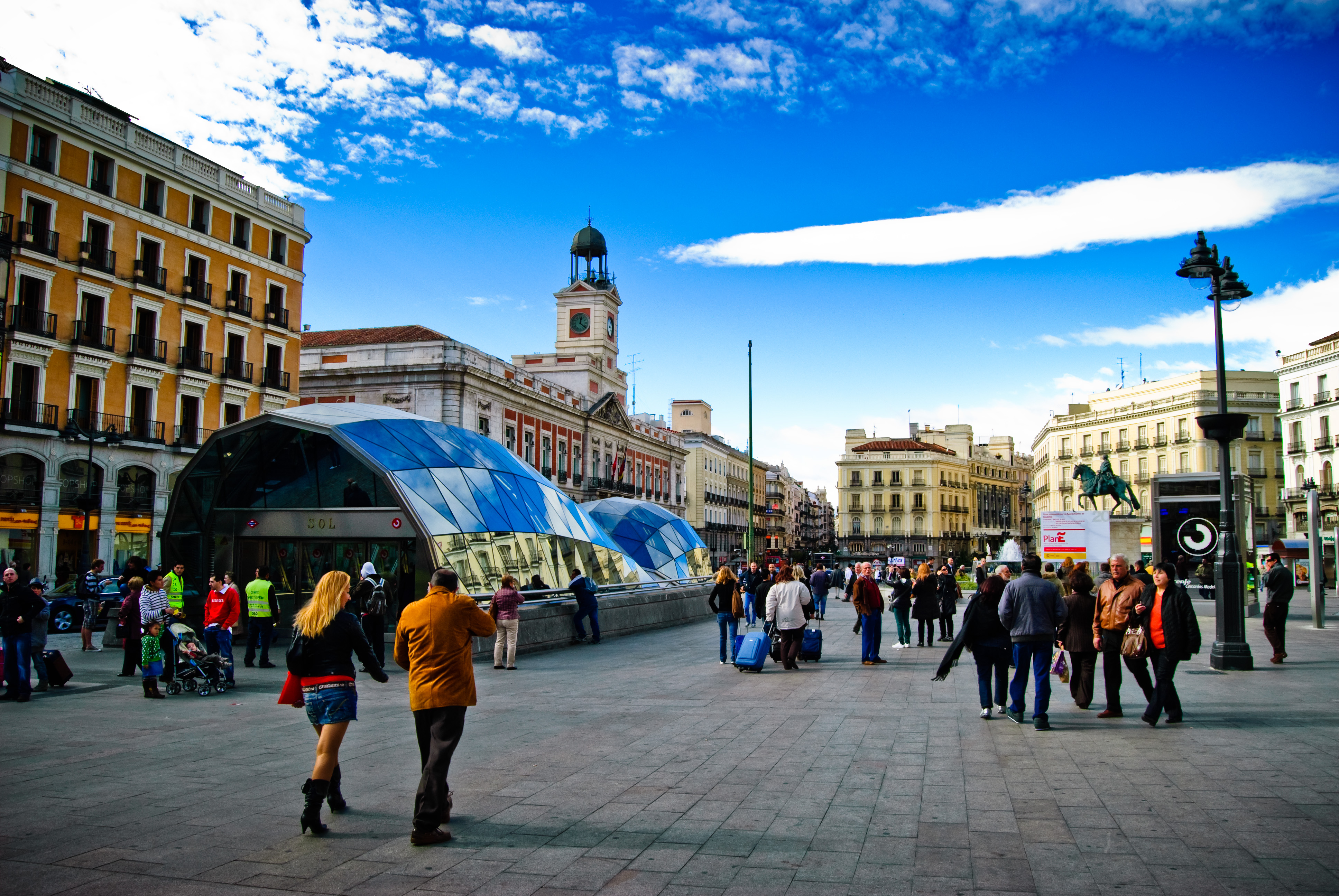
However, thanks to my avid habit of reading advertisements in the metro (and everywhere else), I came across a language school that was reasonably-priced, and only a five-minute walk from where we lived, near Puerta del Sol. Upon investigation, I discovered that C.E.E. Idiomas was indeed a legitimate language school, complete with an administrative office, three stories of classrooms, and plenty of bright-faced, noisy internationals crowding its narrow staircases – and not, as I had initially suspected, some sinister racket for trapping gullible foreigners on shoestring budgets.

- Puerta del Sol, “Gate of the Sun”, the very busy symbolic center of Madrid
My first day of class I was terribly excited. I’ve always been a bit of a nerd, and loved going to school as a kid. So, I picked out a crisp new Generation kurti, slipped on my favorite orange flats, tossed a purple notebook and Piano pen into my Democracy Now tote bag, and set off bouncing along to class. I wasn’t only going to learn Spanish. Nobody knew it, but I had other intentions. I was friend-hunting.
Unfortunately, my dream of finding a kindred spirit, sitting there waiting for me in the classroom – darkish hair, fairly tall, not unlike myself, whom I would then proceed to hug, and demand, “Where have you been all this time???” – did not quite materialize. None of the students were the right fit. Some were too old (grandmother), some were too young (just out of high school), some had too many responsibilities (committed housewife, mother of two school-goers), and some were just too foreign (Kentucky, USA?). There was only so much we could share or talk about.
But still, peeling off my pajamas and going to class everyday in the fresh morning air, interacting with corporal human beings apart from my husband and the Carrefour lady was admittedly very pleasant. Plus, our Spanish teacher was an absolute riot, and we spent most of the hour laughing, though we didn’t understand half of what she said. I was learning quite a lot, too, very useful and practical things (for example, the important distinction between ojo, eye, and ajo, garlic, which I had confused more than once at the grocery store: “Tiene salsa de ojo?” “Do you have eye sauce?”). And – how can I deny it – I loved being back in ‘school’!
Read Tip #2, Tip #3, Tip #4, Tip #5, and the introductory post of this series!
How to Make Friends in a New City (where you don’t even speak the language!)
Published in BootsnAll, May 19th 2014
When you’ve spent most of your life in one place, you tend to take many things for granted – your aging collection of books, for instance (don’t you love it when the pages start turning yellow?), or sharing wardrobes with your sister (mostly against her will), or that little bakery down the street that sells your favorite lemon rolls (you don’t want to know how they make them, they’re just really good).

Most of all, you take your friends for granted.
Imagine the last time you were out with a group of old friends. There you are, huddled together around a big table at your regular hangout, chattering nineteen to the dozen, laughing uproariously about something no one else would find funny, spooning mouthfuls of steaming pad thai or bread-and-butter pudding into your mouth; faces beaming, teeth flashing, shiny heads bobbing. There, at that moment, you and your friends are the center of the universe. Everything and everyone else is in orbit around you. You are beautiful; you are invincible.
And then, in the midst of that irresistible merriment, your gaze falls upon a forlorn corner of the restaurant, where, at a table for two, somebody is sitting all alone; quietly sipping a coffee, or wrestling with a bit of leftover pasta on the plate; sometimes pretend-texting on her cell phone, sometimes looking up and smiling expectantly at the restaurant. And you think, pityingly, a little smugly, “Oh, that poor lonely human being. She has no friends!”
Well, meet the newest member of One’s Company, or “My cell phone is my best friend” club – me!

I could never imagine being in a situation like this in my hometown, Lahore. Even in that sprawling metropolis of 12 million people, you invariably bumped into a friend, or at least an acquaintance, wherever you went. It made sense: you had friends from school, friends from college, friends from work. You had cousins, cousins’ friends, cousins’ cousins. You had neighbors, family friends, brothers’ and sisters’ friends. You just knew a lot of people, and you all frequented the same handful of restaurants and retail stores. So in a place like Lahore, it was impossible to be ‘friendless’, to sit by yourself in a cafe writing pensively in your diary – because somebody would find you out, and cheerfully plop down on the seat beside you for a catch-up.
But, navigating a new city, adjusting to a new country, fathoming a new language – you were nobody. You knew nobody. You had to start from scratch. Desde cero.
In Madrid, there were no cozy International House socials to dive into, like at Berkeley, or late-night bonding sessions in the corridors with your floormates; there was no common kitchen like at Democracy Now!, where your like-minded, socially-conscious colleagues from around the world congregated to dissect America’s latest foreign policy misadventure over cups of fair-trade coffee; there was no lively Pakistani expat community that materialized, without fail, at every Eid, Independence Day and birthday party, to enjoy haleem and chicken tikkas at a New York dhaba.

No. Madrid wasn’t like Berkeley, or New York, and of course it wasn’t like Lahore. Everything was different, from the streets to the sunlight to the food, people, shops, signs. Everything was new.
When we landed, we didn’t know a thing about the city. Sure, it was exciting, but we weren’t just there as tourists, for a few days or a week, staying at a plush downtown hotel, taking the double-decker tour bus to all the monuments and museums, posing for pictures with the matador in Plaza Mayor, eating out at TripAdvisor-recommended restaurants, buying flamenco figurines at the souvenir shops, and then happily heading back home.
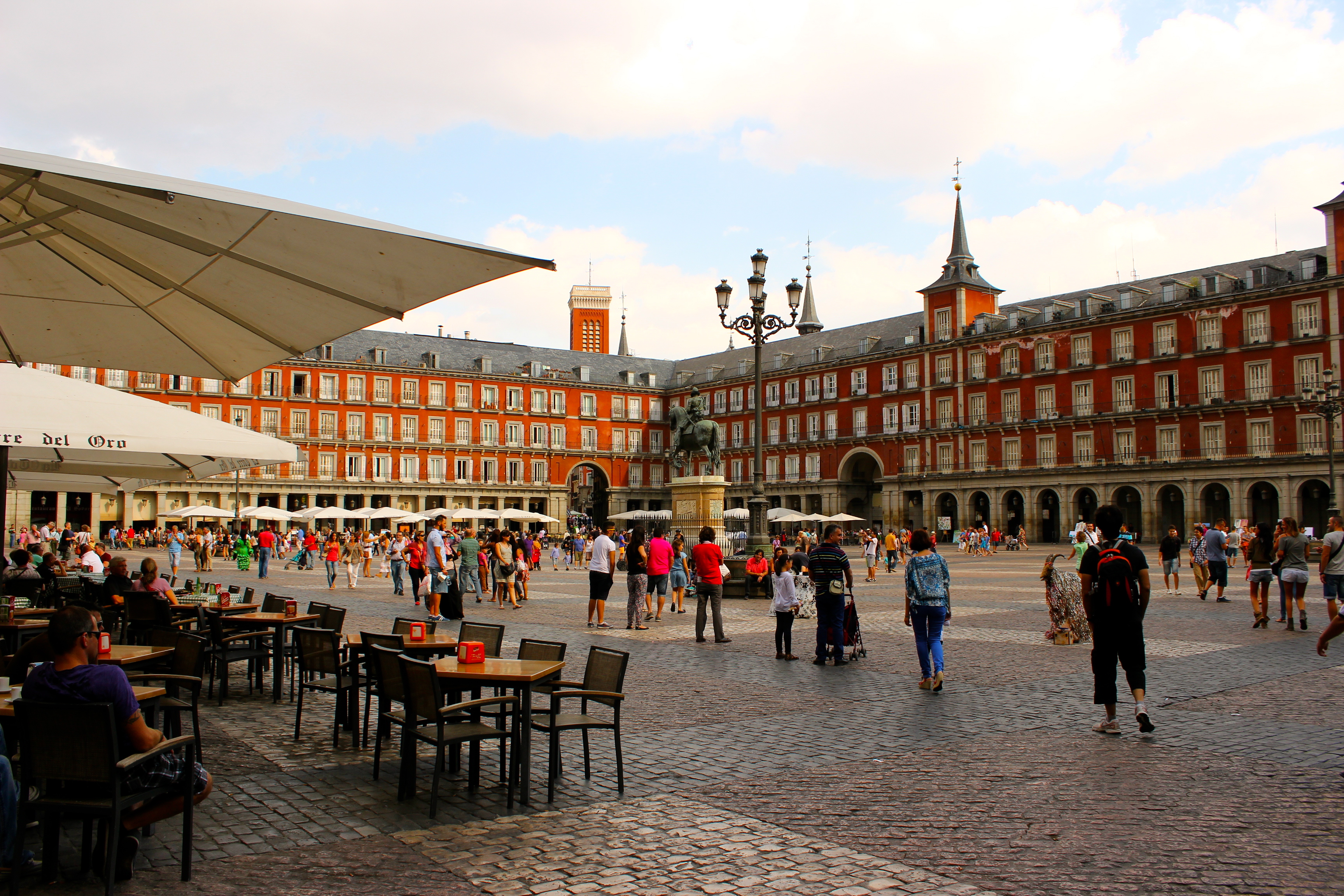
No, we were there to stay. To make a home. And roaming around the streets of Madrid in search of an apartment during our first week, more than once I got that funny feeing in my stomach – like the feeling you get as a kid, standing outside the principal’s office for some primary school misdemeanor you may have committed. I suppose you could call it panic. “How am I going to do this! Where are we going to live? Where will I buy my groceries? Where will I find my turmeric and green chilies and Shaan masalas? Where on earth can I buy bathroom slippers, a 7-Watt light bulb, square-shaped tupperware, 16″x16″ cushion fillings, hummus and baking powder, apart from the ludicrously-priced El Corte Ingles?”
Which cell phone package has the cheapest local rates? Which internet service provider has the least hidden costs? How do I apply for a monthly metro pass? What do I do if I lose my monthly metro pass? What do I do if I get robbed! (Incidentally, these are not hypothetical questions)
Most important of all, how was I supposed to make friends? I could not enroll in a university (95% of the Arts & Humanities courses I was interested in were taught in Spanish), nor did I have a work visa. My level of Spanish was too low to even apply for a volunteer gig. How was I ever going to meet people, and engage in a longer-than-five-minute conversation with anybody, apart from my husband and the Carrefour checkout lady?
Faced with these sundry, seemingly insurmountable challenges, I could let myself sink into despair. That was always easy, and poetic. I could happily wallow in nostalgia – double, triple, quadruple layers. I could become a hermit, pottering about the house in a white robe, watering my herbs, sipping ginger tea and people-watching from the balcony. I could also live quite a gregarious virtual life, through Facebook, Skype, What’s App, Viber. There were just so many options.

But I had a plan. The location was Madrid, and the objective, “Friends”, those slippery creatures that every new immigrant or expat craves….
Read the complete post on BootsnAll, the ultimate online resource for the indie traveler! Or, read Tip #1, Tip #2, Tip #3, Tip #4 and Tip #5 right here on Windswept Words.
Thoughts on Leaving Pakistan
Published in the The Friday Times Blog, October 10th 2013
The last time I put thoughts to paper was a year and a half ago, when Z and I moved back to Pakistan from the U.S. It happened very suddenly, under very sad circumstances, and there we were – thrust into a disorienting new life, filling roles we had never anticipated, never wanted, inhabiting, once again, the cloistered, uninspiring world of Lahore’s privileged class.
Much elapsed during the past 18 months in Lahore – much to rejoice and remember. Engagements, bridal showers, weddings. Baby showers, and babies! Farewell parties and welcome-back parties, birthday parties and Pictionary parties.
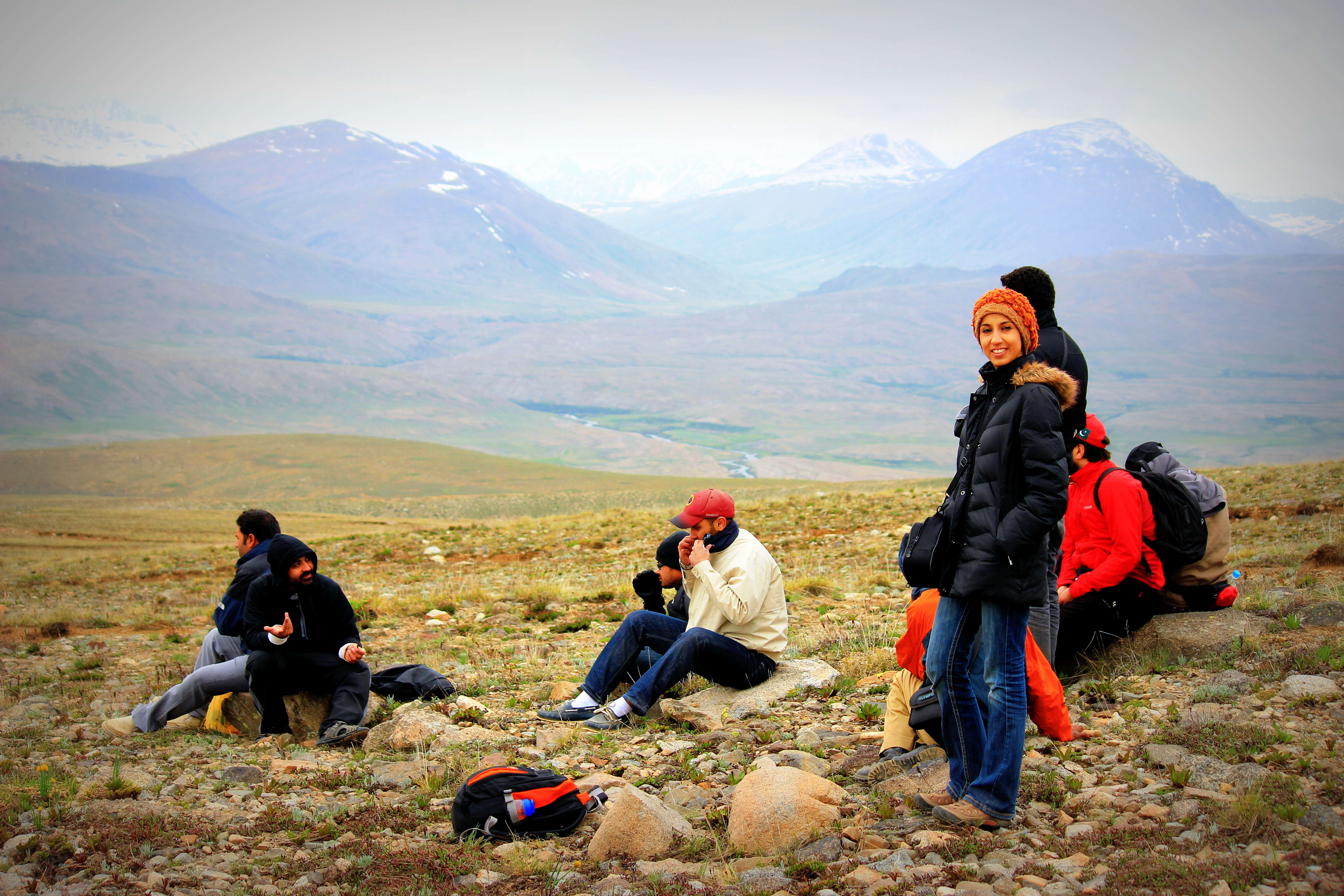
PTI fever, elections, and Pakistan’s first peaceful political transition. Cliff-diving in Khanpur under a shower of shooting stars, dancing arm-and-arm with Kalash women as spring blossomed in the Hindukush, tracking brown bears and chasing golden marmots in the unearthly plains of Deosai.
I rediscovered my love of history, of abandoned old places that teemed with a thousand stories and ghosts and memories, thanks to a research job at LUMS. I spent many days wandering the cool corridors of Lahore Museum, many hours contemplating the uncanny beauty of the Fasting Siddhartha, whom I had the privilege of photographing up-close. I stood beneath the most prodigious tree in the world in Harappa. I got down on my knees with a shovel and brush during a student archaeological excavation in Taxila, personally recovering the 2, 000-year old terracotta bowl of a Gandhara Buddhist monk.

But, there was also dissatisfaction. Frustration. Restlessness. When we were not travelling, we were in Lahore. And Lahore was, well, warm. Convenient. Static. Living there again was like a replay of our childhood; like watching a favourite old movie on repeat. After a while it got monotonous, somewhat annoying, and a little disappointing.
In Lahore, I could see what the trajectory of my life would be, the next 10 years down. It was all planned out, neatly copied from upper-class society’s handbook, with but minor divergences here and there.
It wasn’t a bad plan. In fact, it was a perfectly good, even cushy plan, one that would have made a lot of people quite happy.
Not me.
There were other things, too, about Lahore, and about Pakistan, things that had bothered me growing up but now seemed magnified to alarming proportions – the incomprehensible extremes of wealth and want, the insurmountable divisiveness of class, and, most worrying of all, the overwhelming self-righteousness and religiosity.
You could not escape it. Everywhere, from TV talk shows to political rallies, drawing rooms to doctors’ clinics, there was a national fixation with religion. Everybody, it seemed, was desperate to convince others – and themselves – of their absolute piety, their A+ scorecard-of-duties-towards-God, their superficial Muslim-ness. Instead of the genuine, unselfconscious goodness that shines through truly spiritual people, in Pakistanis I just saw fear. Religion for them wasn’t about peace, and love, and knowledge. Religion was base. Religion was social security. Religion was a tool of power.
I wanted to say to these superficial Muslims, to all Pakistanis: Just look at the state of our country. Do you really believe that religion has helped us? Has it at any level, be it individual, societal or state, improved the country? Has it alleviated poverty, reduced rape and murder, mitigated corruption?
Have we as a nation achieved anything positive, anything progressive, in the suffocating garb of “religion”?
No. On the contrary, we, as a nation, have become more intolerant, more oppressive, more barbaric, as our outward religious zeal reaches new heights.
And we still do not realize it. The Matric-fail maulvi at the local mosque still preaches that a woman wearing jeans in public is jahannumi, Hell-bound , the TV reporter interviewing an old peasant who has lost his home in a flood wants to know if he kept his Ramzaan fasts, and that educated, apparently “modern” aunty you met at a family dinner launches into a sermon that the reason Pakistan is beset with crises is because we don’t pray enough.
That was the most terrifying thing I found about Lahore, and about Pakistan. It had become a place where no other framework for discussion about the future of the country, about anything at all, was possible. We were mired in religion. We were stuck. We were deeply and hopelessly stuck.
As for the people who thought differently, the elite and “enlightened” class that I belonged to, they responded to the onslaught by retreating further and further into their elite Matrix – a sequestered, protected world where they met up with friends over Mocha Cappuccinos at trendy New York-style cafes, where they shopped for designer Italian handbags in centrally air-conditioned shopping malls, where their children spoke English with American accents and dressed up for Halloween, where alcohol flowed at raucous dance parties behind the gates of a sprawling farmhouse.
It was a parallel universe, where we all lived free, modern lives, like citizens of a free, modern country, utterly disconnected from the “other” Pakistan, the bigger Pakistan, and for all intents and purposes, the “real” Pakistan. Yet perhaps it was our only survival, the only way to keep sane and creative and happy for those of us who chose to live in our native country.
But I could not reconcile myself with it. I found it schizophrenic. Perhaps living abroad had changed me too much. I could not find balance, I could not find peace in Lahore.
So when Z applied to and got selected for a European Union PhD scholarship based in Madrid, Spain, I was thrilled – and a little relieved. Was I looking for an escape? Maybe. Was that the only solution? I don’t know.
When we left Lahore, on that eerie twilight flight in August, our lives packed into just one suitcase and backpack each, it was bittersweet. I was sad to say goodbye to loved ones, to friends and family whom I had spent such wonderful moments with in the past year and a half. I would miss being a part of their lives. And I would miss the incomparable natural beauty of Pakistan – beauty and heritage that is disappearing day by day due to neglect and ignorance.
Yet, I knew that I had to go. I knew that staying in Lahore – “settling for” Lahore – buying joras from Khaadi, attending tea parties, managing servants, the odd freelancing or part-time job at LUMS, was not going to make me happy. And we could not depend on the love of family and friends to sustain us forever. At the end of the day, everybody had their own lives to lead, their own paths to carve, their own hearts to follow.
And that is how we ended up in Madrid.
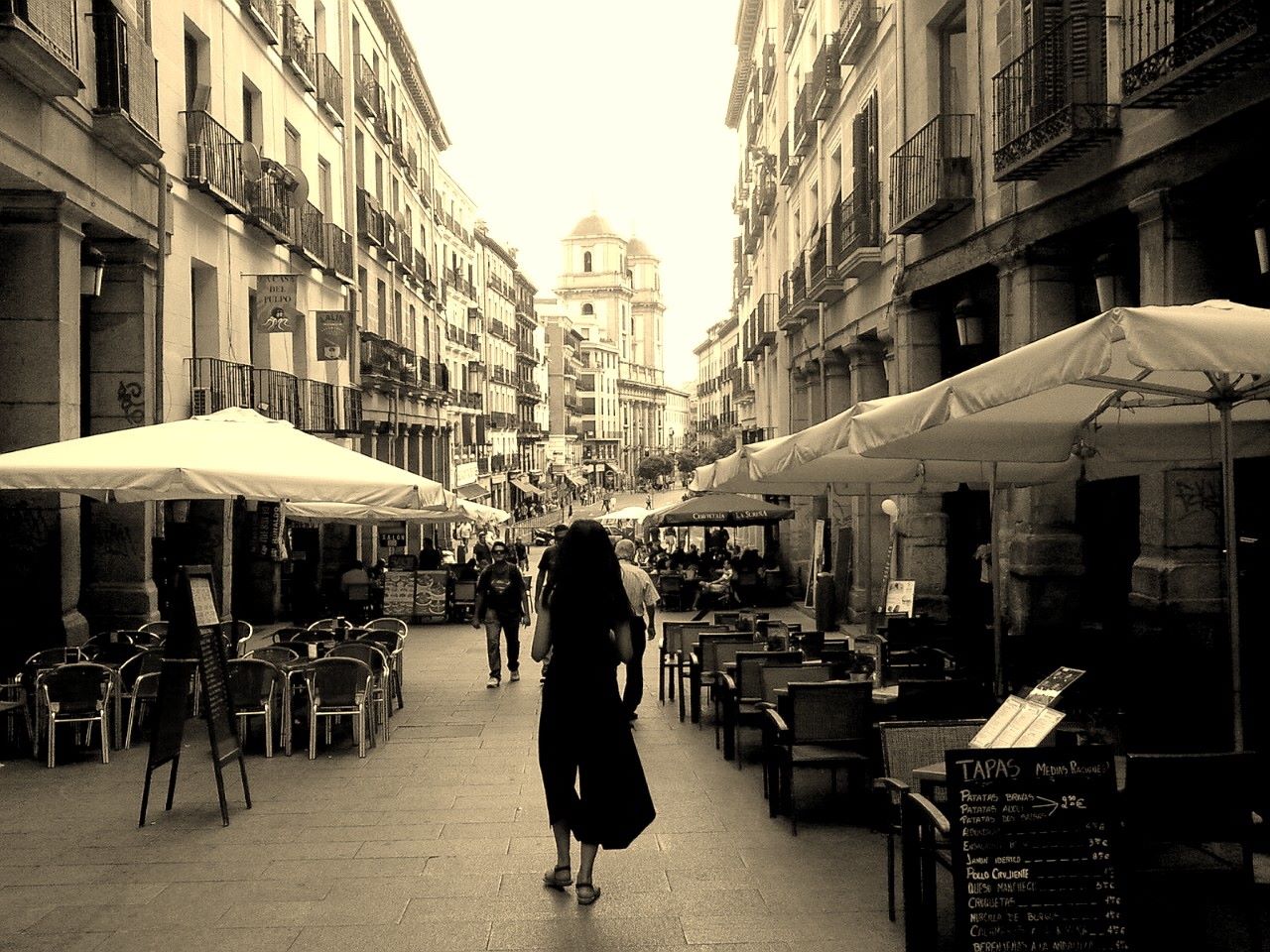
Sitting here in our apartment, a cozy, parquet-floored 1-bedroom affair, I can hear the babble of excited young voices below the window, a medley of idioms and accents; the clink of glasses and clatter of dishes from neighbouring restaurants; the smoky strumming of a flamenco guitar, the wheezy chorus of an accordion; the cries of Nigerian hawkers and Bengali street-peddlers, and the low hum of the occasional taxi cab, rolling along the cobbled streets of this lively old pedestrian barrio of the Spanish capital.
A new city, new adventures, new memories.
- ← Previous
- 1
- 2
 Windswept Words