Pura Vida! – A Costa Rica Travelogue
Last month, Z and I went on our very first vacation together. We desperately needed a break from skyscrapers, subways, sanitation trucks and drunken singing-at-3-in-the-morning below our apartment.
Costa Rica was just the prescription.

After weeks of poring over Lonely Planet and Fodor’s travel guides, we finalized an itinerary, squeezing in as many things-to-do as there were hours in the day and dollars in our budget. That was followed by days of necessity-shopping – boots, ponchos, sunblock, mosquito repellent, waterproof sandals, waterproof kohl – followed by days of outfit-picking, and somehow stuffing everything into two hiking packs on the day of our flight.

We returned to New York 10 days later, considerably sore, scratched and sunburned, but with heads full of unforgettable memories, and hundreds of pictures to show for it!
Starting this Friday, I’m going to post a day-by-day photo diary of our trip, including what we did, where we stayed, what we ate, as well as some pieces of self-learnt travel advice (for e.g., never judge a hostel by its website!). So check back every week for a new Costa Rica post :)

My Top 8 Outdoor Adventures
“I’m a synchronized-swimming, yoga-doing, horseback-riding, wall-climbing type of girl. My hand-eye coordination is zero.”
– Mia Thermopolis in “The Princess Diaries”
I was never very sporty as a kid. In fact, I dreaded Games period at school, when we’d be forced to wear those awful dust-blue track suits and pummel each other in Netball matches. I was also quite lazy, and always looked for opportunities to get by in a game of KhoKho or Cricket with the least amount of movement (hitting chaukas and chakkas was my specialty). Swimming was the only sport I enjoyed at school – maybe because I could do it solo, without depending on or being depended on by anyone. I suppose it’s not the kind of thing you’d mention in a job application, the apathy for competitive, coordinated team sports. But I just wasn’t into it.
Years after resigning to my regrettable un-athleticness, I discovered that there did exist physical activities that people like me were actually good at – “adventure sports”! I think it was that first rock climbing-cliff diving-caving trip to Khanpur with the LUMS Adventure Society in Pakistan that sparked it off – and, I’m happy to report, I’ve never looked back :)
Here’s a list of my 8 most memorable adventure sport experiences…hopefully many more to come!
- Hiking / Camping
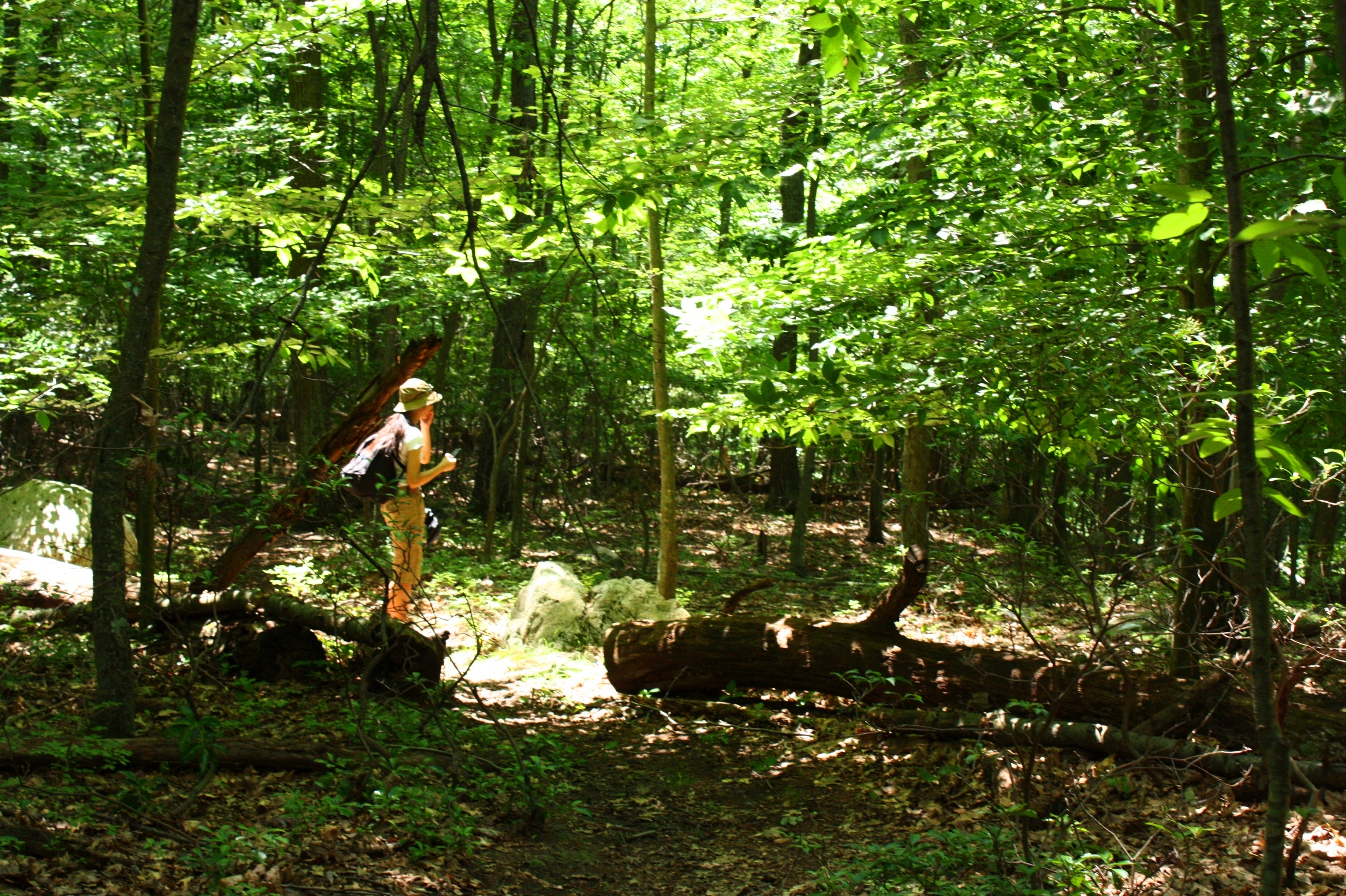

- Horseback Riding


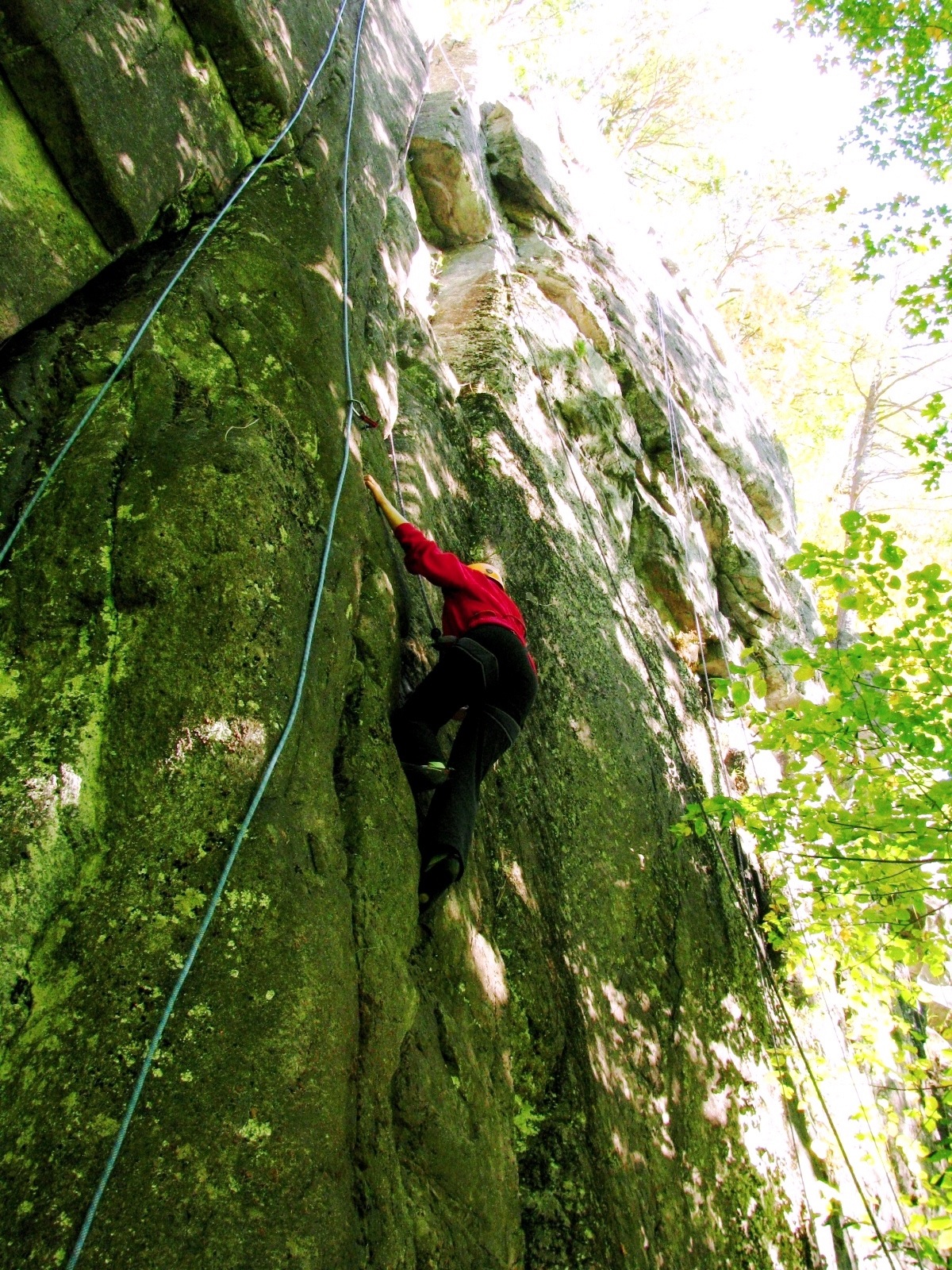
- Rock Climbing
 d
d
- Skiing
(I don’t have any pictures of me actually skiing, but here’s the beautiful place we went to!)


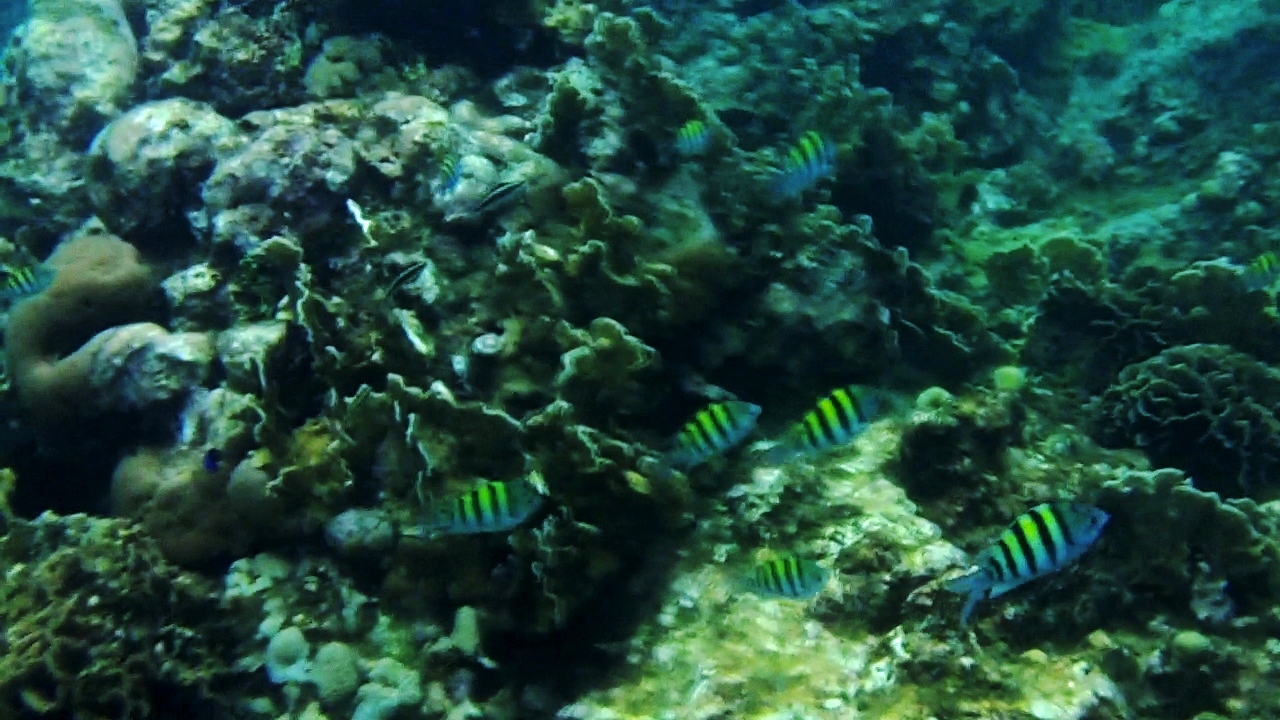
- Snorkeling

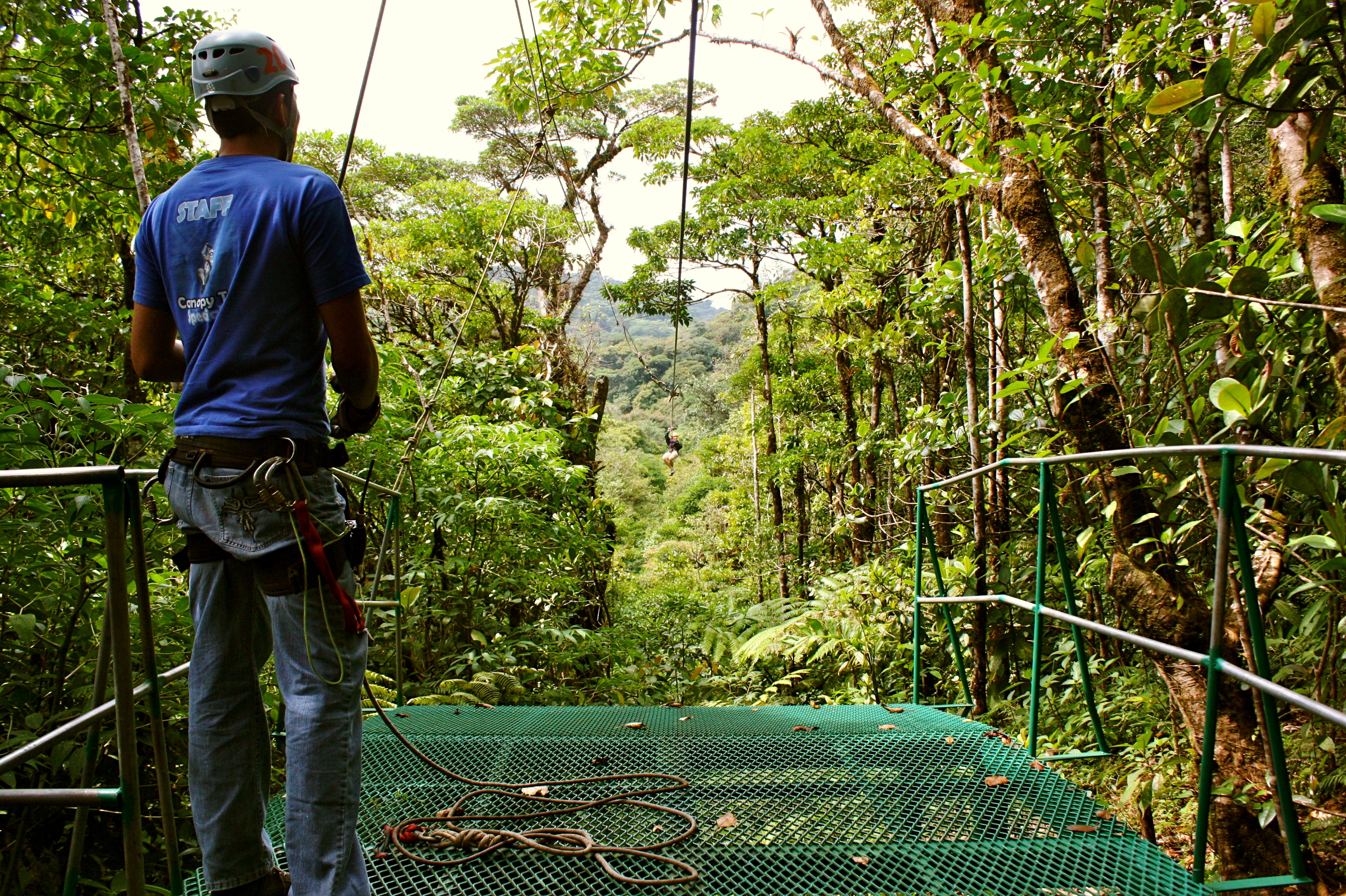
- Zip-lining

- White Water Rafting


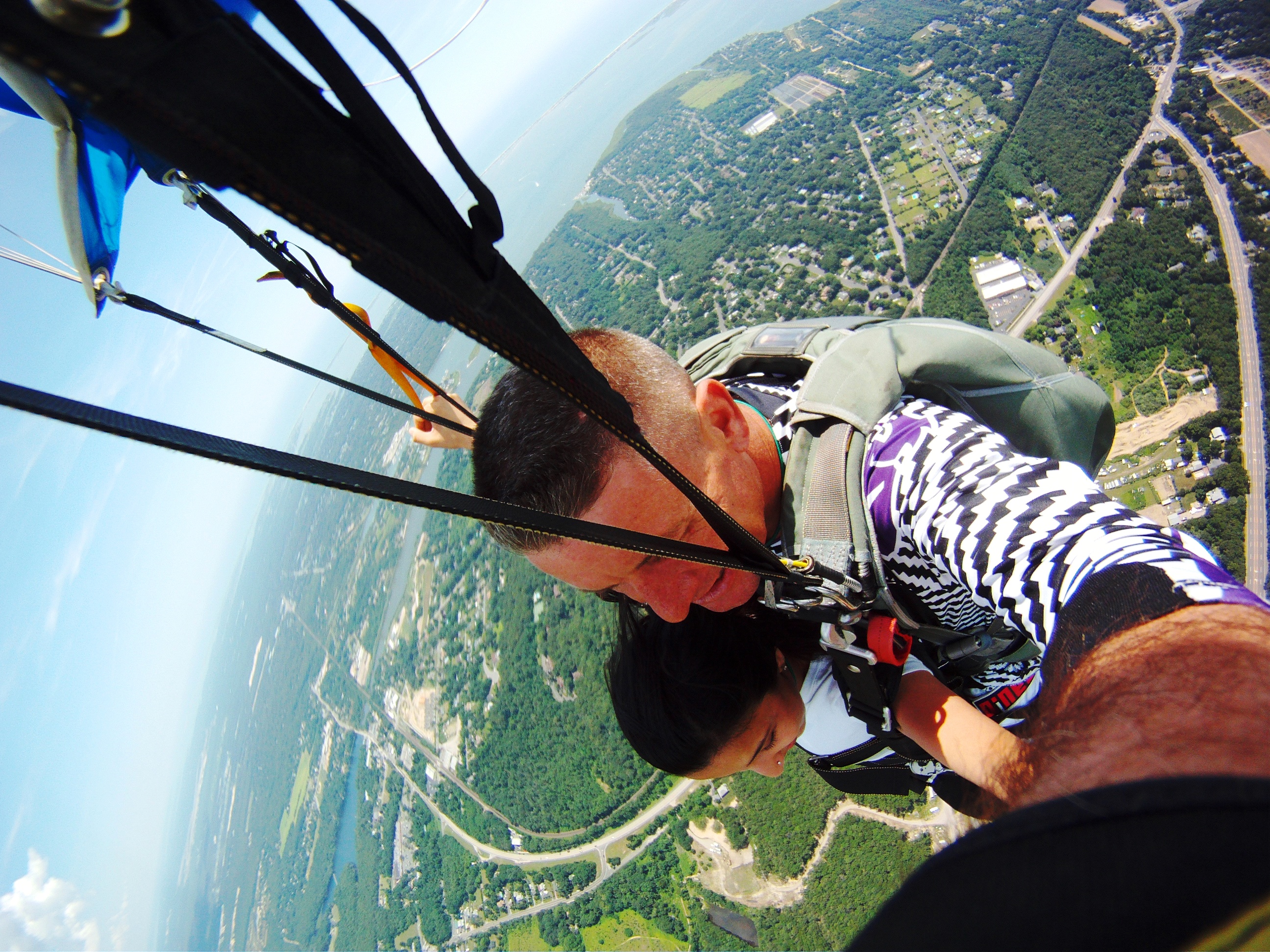
- Skydiving

The Freedom To Be
Published in the Express Tribune Blog, October 4th 2011

A friend from Lahore recently asked me, “What would you miss most about New York if you were to move back to Pakistan right now?”
I thought about it for a few minutes. Unlike many Pakistanis living in the U.S. I knew, I wasn’t particularly attached to this country, or to New York.
To me, it was just another city – a hard city, a cacophonous city, where bright lights and gleaming skyscrapers belied the darkness, the sadness, the grime and the poverty in the corners; where glamour, spectacle, a veneer of ethnic diversity thinly concealed the underlying greed and racism.
I had no great love for New York; my heart still belonged to Lahore, and it was Lahore that I forever looked for, in every street sign, in every face, in every smell and neighbourhood.
But there was one thing.
“Freedom”, I replied to my friend. “That’s what I would miss.”
It wasn’t the freedom to wear a tank top or mini-skirt in public, to dance at a nightclub or get a tattoo; it wasn’t the freedom to hop on a train or bus at any hour of the day and go where you wanted, come home when you pleased; the freedom to attend any kind of rally, concert or film screening that suited your fancy, to make friends with any colour or class of people you chose, to walk out on the street at 2.a.m. for some ice-cream from the 24-hour deli, to nap under a tree in Washington Square Park.
No, these were superficial freedoms. It was something deeper than that.
It was the freedom to be.
Growing up in Lahore, I didn’t ever ask myself – Why are all the women I know teachers and doctors, the other half housewives? Why don’t I know any women engineers, scientists, actresses, novelists, athletes, dancers, photographers, lawyers?
I never asked myself – Why do I have to wait for the driver or one of my parents to drop me to school or to a friend’s house? Why can’t I take the bus, a taxi or rickshaw?
Why must I send the cook to fetch that tub of ice-cream from the shop across the street for my slumber party? Why can’t I go myself?
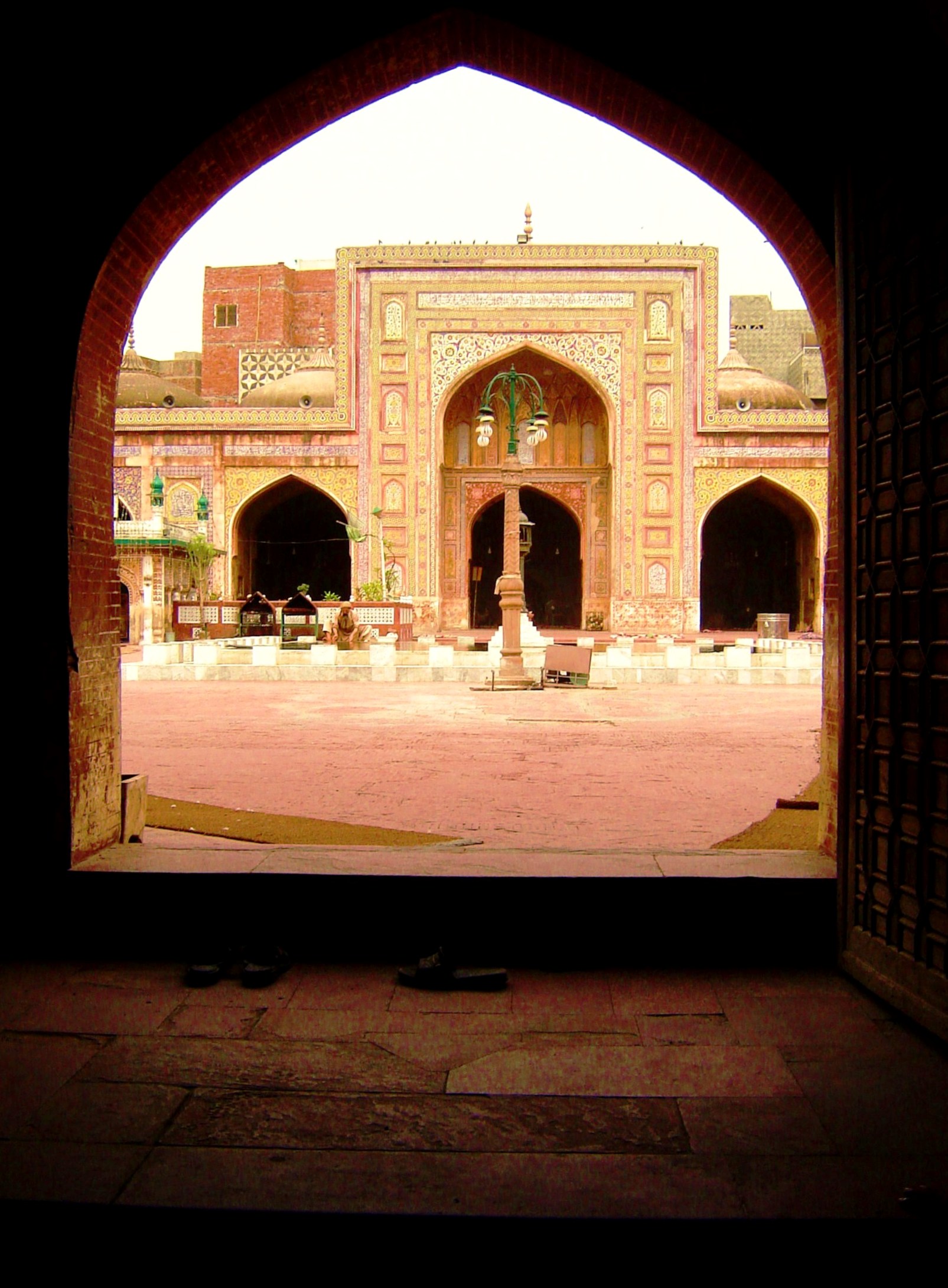 Why can’t I say my prayers at the beautiful neighborhood mosque? Why must I pray in the musty, uninspiring ante-chamber, or in the confines of my house?
Why can’t I play cricket in the park? Why can’t I wear jeans to Liberty Market? Why do I need a male friend to accompany me on my field visits to the shehr?
Why must I get married by the age of 24 and have at least one child by 26?
Why? Because that’s how things were.
I never questioned it, or if I did have questions, they were momentary. The main explanation, of course, was that I was a girl.
That was good enough. It was reasonable, it was appropriate. You never asked why your brother could do things you couldn’t, why there was one set of rules for the boys and another for the girls. To question that would seem presumptuous, daftly unrealistic, “Amreekan” – this is was Pakistan, this was how society functioned, and women were completely A-OK with it.
There were exceptions to the rule, of course, a handful of courageous women who dared to break into non-traditional roles and spaces – but these women, although publicly lauded, were implicitly looked down upon by middle- and upper-class morality. They were arrogant, promiscuous, “unfeminine”, or, they were supremely-gifted rarities that happened once in a generation, and while you admired them, you couldn’t possibly aspire to be like them.
And while life did go on, and the women of my class “progressed” day by day, from classrooms to TV screens to charity fundraisers – the socially acceptable, the superficially liberal – the greatest inhibitions remained.
What if I wanted to be a political activist, campaigning door-to-door and chanting slogans at rallies shoulder-to-shoulder with men? What if I wanted to be a social worker, visiting slums and prisons and acid-burn victims in teeming public hospitals? What if I wanted to be a professional musician, performing at cafés, parks, theaters, outside the protective walls of my school or college? What if I wanted to go for a stroll at midnight, sit at a roadside khokha chewing paan, live in a 3rd story flat in Anarkali, ride my bike to work?
What if I wanted to marry for love to a man “below” my class, to a foreigner, to a gora?
What if I wanted to do all of this, not to make any statements, not to be provocative, not be seen or talked about, but just because that’s who I was, who I wanted to be, and doing something contrary would be oppressive, inhibiting.
In New York, all the inhibitions inculcuated in you since childhood slowly chipped away. You could see yourself for who you were, and you could actually be that person. Nobody judged, nobody cared. People treated you as a human being, without the gender labels and cultural baggage. No one stared at you, no one harassed you. No one noticed you for being a woman, for being different. You were anonymous – and while that could sometimes feel lonely, it was also very liberating.

What it comes down to is choice. You coud choose to pursue your passion, and, married, divorced or single, childbearing or childless, rich or poor, be the happiest woman in the world for having done so – or you could be be like the neighbouring mother-of-4, whom society praises for raising such well-behaved children, for keeping such a tidy, efficient household, for having such an amicable relationship with her in-laws, for being so equable with the servants, and yet be lifeless inside, burdened with regret.
For no matter how noble the mission of wifehood and motherhood, no matter how sacred our notions of femininity, I do not believe that any woman can enjoy seeing her ambitions crushed. I do not believe that every aunty I know did not nurture a secret wish in her heart that she was not able to fulfill. And that was a loss not just for herself, but for everybody around her, for society, for the country – because one woman who lives life to her potential, who is brave and follows her heart, is far more inspiring than any number of daughters, wives and mothers imprisoned to their homes and kitchens and children and a job or husband they do not love.
So, yes, what would I miss about New York if I were to move back? The freedom to be. The choice to be. No double-standards. The same rules for men and for women. The same benchmarks for your daughters and your sons. And though I miss Lahore with all my heart, I do not miss its self-righteous upper-class morality.
Obviously, there will never be a day when you wake up in the morning and the men of Lahore cease to ogle, the aunties cease to matchmake, the uncles cease to lecture, and society ceases to preach one thing or other. It’s up to us to make that happen. It’ll take courage, but that’s the only way to live, the only way to free yourself from the invisible cages your mothers were trapped in, the only way to ensure that your children aren’t trapped the same way.
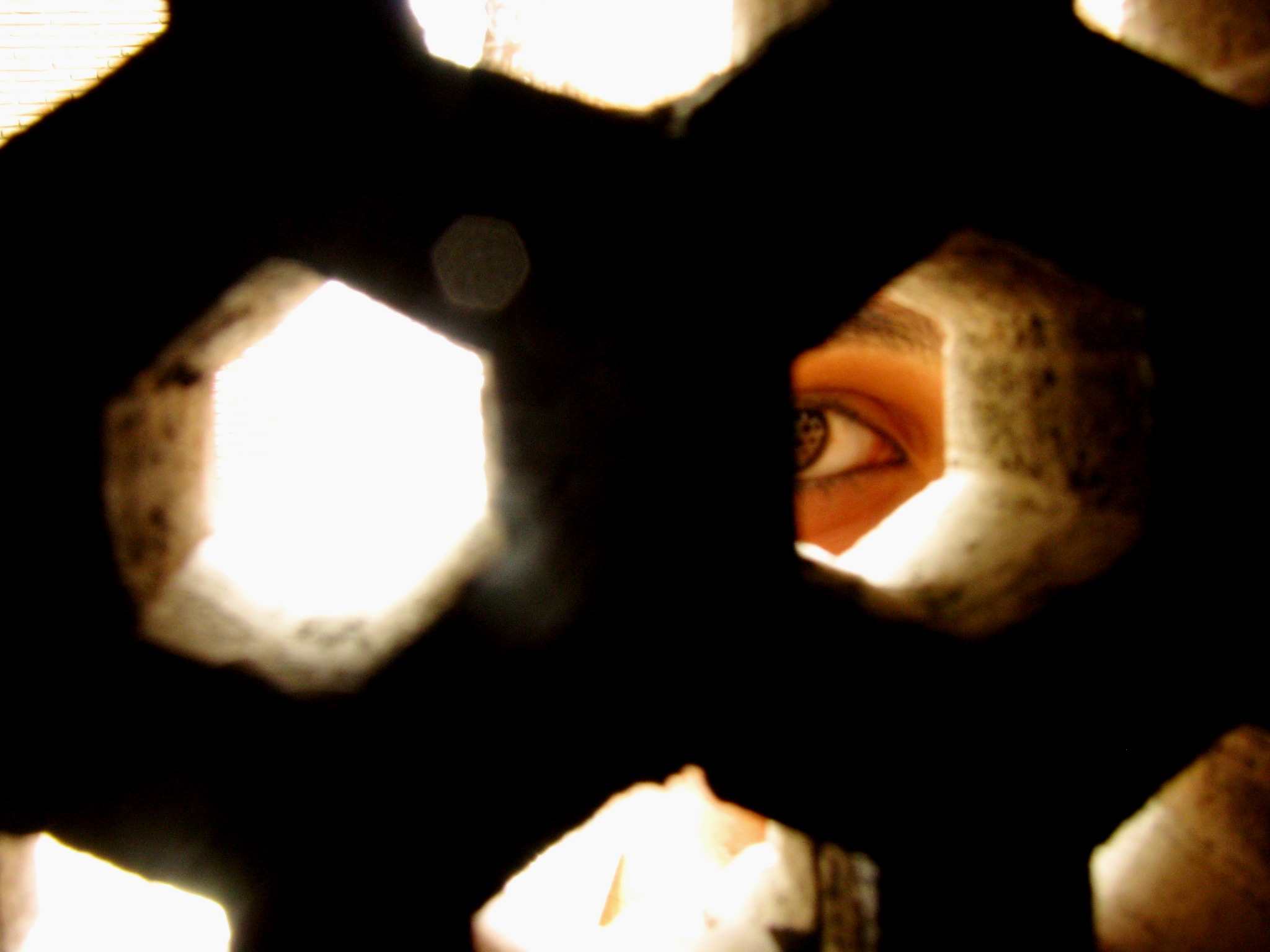
I’ll leave you with a request to read Ismat Chughtai, the brilliant grande dame of 20th-century Urdu literature, whose work inspired me to write this post. She wasn’t just a gifted writer – she was a keen social commentator, whose stories revealed the deepest of deep-rooted hypocrisies in middle-class Indo-Muslim society. She saw things for what they were, she saw herself for who she was, and she was not afraid to be that person, no matter how much people gasped and censured. Though times have changed and women are “freer” than they were in the 1960s, when Chughtai wrote “The Heart Breaks Free”, one of my all-time favourite stories, her observations are just as pertinent today, and we can learn much from them. I couldn’t find the story online, so I’d encourage you to go to a store, buy it and read it, in Urdu or in English. Enjoy!
Lingering Fragrance

She needed some green in her apartment.
Before she bought furniture, she was at the flower shop – a subconscious evocation of a fecund childhood, romping in gardens, rolling in lawns, clambering mango trees, picking flowers in the morning for the breakfast table…
“Philodendrons, lilies, ferns, azaleas, bonsai…”
Hmm. She spends long minutes gazing at each plant, fingering the leaves, feeling the texture, inhaling its aroma.
“I’m sorry, I just can’t decide!” she smiles apologetically at the Chinese lady behind the counter. “Everything is lovely, but…” What do I want?
Then, among the flowering pots, in a tangle of pink, yellow, purple, red, blue, she spies a familiar star-shaped white…
She blinks, startled. Is it? It can’t be…bending forward, she buries her face in the modest little shrub bearing the two pale-faced flowers and takes a deep breath…
Suddenly, she’s not in Brooklyn.
She’s in a garden in Lahore on a warm summer’s night. The grass is damp from the afternoon rain. Crickets and other invisible creatures of the dusk trill madly in the bushes, and a velvety breeze rustles in the bougainvillea creepers and Gulmohar above, filling the air with a shower of orange and fuchsia…
It smells sweet, but a subtle kind of sweetness – of budding love, and clasping a dear one’s moist hand, of late-night drives and dewy white bracelets bought from the barefoot little boy on the curbside, of cooing pigeons and clouds of fluttering wings on the rooftop, of twinkling black eyes rimmed with kajal, white blooms wreathed in black hair, and the enveloping scent of flowers in a bride’s bedroom…
“So you want the jasmine, miss?” The Chinese lady grins, her cropped black head nodding vigorously, round black spectacles bouncing on her nose.
Jasmine! Motia…
“Yes, I’ll take the jasmine,” she nods vigorously back.
It sits on a windowsill in her apartment, in a modest little green pot – spreading its delicate, memory-laden perfume over the folds of her new life, a graceful remembrance, a lingering fragrance of the past.
The Legend of Saif-ul-Malook Part I
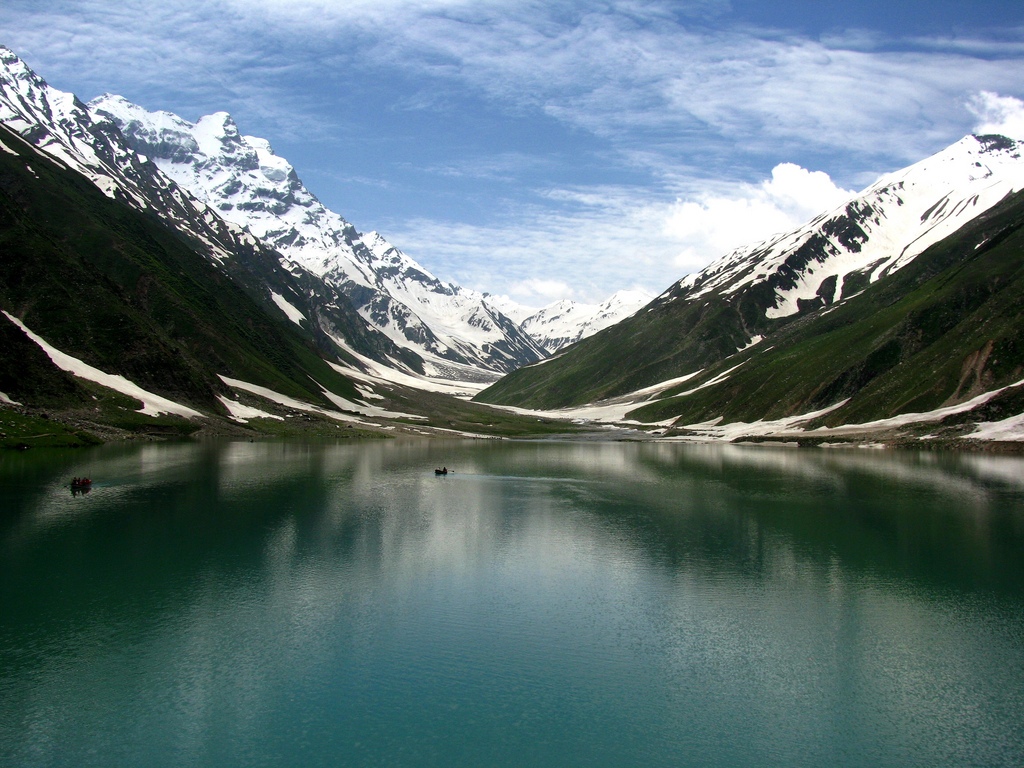
Lake Saif-ul-Malook, situated at a height 10, 600 ft at the northern tip of the Kaghan Valley in Pakistan’s Himalayas, is one of the most beautiful places on earth. I have been there twice, the first time as a 12-year old and then in 2009, when I determined to capture some of its magic on camera and on paper, in the words of two local storytellers who relate the legend of the Lake to visitors.
It is the story of a prince and a fairy, Saif-ul-Malook and Badr-ul-Jamal – a story of love, adventure, faith, magic, suffering and betrayal – a story of the multitude of human passions. Many different versions exist, but below is a reproduction of what the storytellers told us, as faithful to their words and mood as possible, with some writer’s liberties. I hope you enjoy it!
______________________________________________________________________________________________________________________________
“Now listen to me,” he said, and he began.
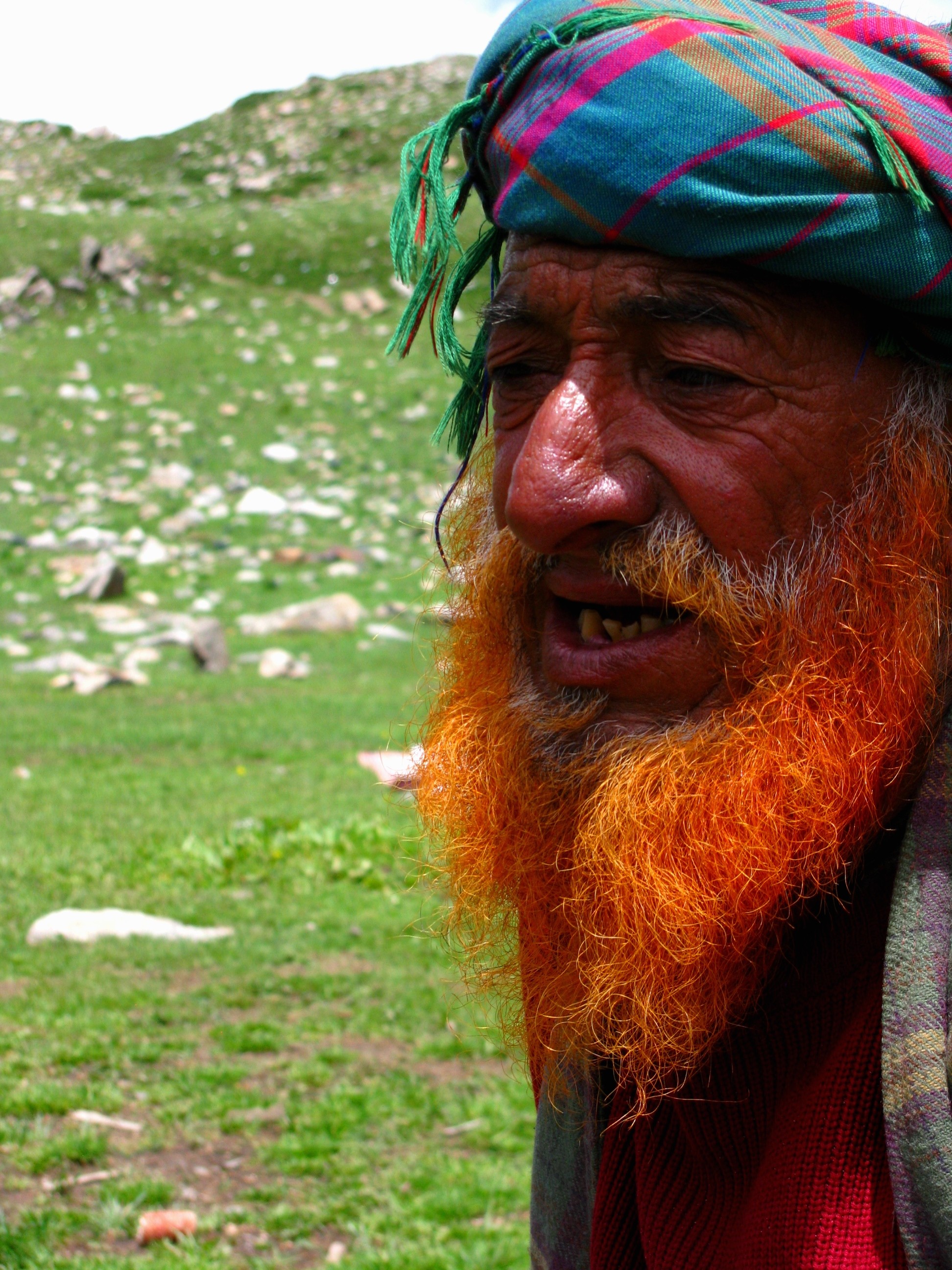
“I have not seen the Fairy, but I have seen the glory of God.
Every month, on the chowdveen, the 14th night of the lunar month, the Lake is like a mirror – cradling the mountains, the sky, the innumerable twinkling stars, the glowing orb of the moon – so still, so clear, you can scarcely tell between reality and reflection. It is a sight to behold.
Many a night I have also seen lights, floating lights, a thousand floating lights, here on the slope where we sit, and watched them disappear under the rocks.
I have not seen the Fairy Badr-ul-Jamal, but I have witnessed the glory of God.”
Once upon a time, there lived in Egypt a prince called Saif-ul-Malook. They say that Saif was the handsomest man to walk the earth since Joseph himself – tall and lean, with skin the color of gleaming copper, a clear, noble brow, deep-set dark eyes and black hair that fell in waves to his shoulders. He was brave, a skilled hunter, rider and swordsman, true to his Arabic name – “Sword of the Kings”. Born to riches, Prince Saif had never wanted for anything in his life; there was not a stone, river, man or woman in the kingdom that he could not claim.
Until one night, he had a dream.
A dream that changed the course of his life, and robbed him of his peace of mind forever.
He dreamt of a lake, a lake he had never seen before, surrounded by mountains that seemed to touch the sky and water that shimmered emerald-green in the moonlight. In the lake seven fairies were bathing – ethereal creatures, slim as gazelles, with creamy skins, wide, golden eyes, and hair like rippling ebony – but the seventh among them eclipsed them all in beauty. Her face was as radiant as the full moon, badr, but it was when she laughed, skipping on the water without a care in the world – it was when she laughed that Saif was seized by a joy and a sadness so intense, so inexpressible, that he awoke from his sleep with tears in his eyes. Badr-ul-Jamal…he had never seen anything more beautiful.
The next morning, Saif was visibly troubled.
“Why so crestfallen, son?” asked the king, his father, at breakfast.
“Father,” the young man confided. “I think I am in love.”
The king was overjoyed. “What happy news, son! This calls for a wedding! Who is the favored princess?”
“No princess, father,” Saif replied grimly; then, with a sudden burst of elation: “She is a Queen…A Queen among fairies!”
The king’s face furrowed into a frown as he considered his son’s words. “Saif, you do realize what you are saying? A fairy! She is a bird, a creature cast of fire, naari. So how can a human being, an earthbound mortal like you, ever hope to possess her?” He shook his head vehemently. “It is impossible. Abandon the idea at once. It will bring you nothing but misery,” he foresaw.
But it was no use. It was too late for discussion, for persuasion and advice. Saif’s heart was already on fire. He begged his father’s permission to set out and look for that magical lake where the fairies bathed, in the hopes of finding their Queen. With a heavy heart, the king consented, blessed him on his quest, and watched his only son ride away into the desert.
For six long years Prince Saif searched, roaming every corner of Egypt, from Alexandria to Sinai. Begging on the streets, his hair in his eyes, his shoes in tatters, consumed by love, people no longer recognized him.”There he goes, the madman!” they cried. “There goes the madman, the majnun, who looks for a lake the color of emeralds and mountains of pure white! Who ever heard of such a place?” And they laughed and pushed him out of town.

One day, as he wandered about the outskirts of Cairo, Saif saw a holy man, a buzurg, sitting under the shade of a lone olive tree. “Perhaps this holy man can help me,” Saif thought. As he approached him, the old man looked up expectantly.
“Ah, there you are,” the old man said, a smile playing on his lips. “I’ve been waiting for you, Prince Saif.”
Prince! No one had addressed him thus in years. But before Saif had the chance to express his surprise or explain his predicament, the buzurg dug a hand into the bountiful folds of his cloak and produced an old, battered round sheepskin cap, frayed and thinned with what seemed like centuries of use. Placing it in Saif’s hands, the holy man said, looking at him with keen eyes, “You have been through a lot, my son. But the important thing is that you don’t give up – nothing valuable is won without a struggle.”
Saif toyed with the cap in his hands. “Thank you,” he said hesitatingly. “But what am I supposed to do with this?”
The old man chuckled. “Why, what do you think? Put it on!”
Puzzled, Prince Saif gingerly placed the old cap on his head.
What happened next cannot be described, only experienced by the wearer of a Suleimani topi, Solomon’s fabled magic cap, which has the power to transport its wearer to any place he or she desires in a matter of seconds. There was a gust of wind, and Saif felt the earth give away under his feet. Suddenly, he was shooting through the sky in a fantastic whirlwind of faces, places, colors and memories; a deafening rumble filled his ears; and then, just as suddenly, his feet were firmly planted again on the earth. When he opened his eyes, this is what he saw.
Change

Humans are such creatures of habit.
We yearn for change, for tides and storms to break the uniformity of our days.
But when change comes, we recoil; we are unnerved, thrown into disarray, suddenly clinging to what we know, what is familiar.
Whether a change in city, neighbourhood, house, colleagues, friends.
Even the arrangement of books on a shelf, or spices in the kitchen cupboard – it agitates us.
Maybe it’s a sign of aging. Or maybe it’s just me, an earthbound Taurus.
The sea is beautiful, but standing on the shore looking out upon the interminable flatness, the ceaseless motion, I am intimidated. The sea does not calm me.
I prefer land, the solidity of a mountain, the rootedness of a good weathered tree – feet firm on the earth yet a head in the sky, nodding in the breeze, whispering leafy music, growing stronger, reaching higher.
I wish to be like that tree – not the water, not the ocean, heaved and hurled about with its vagaries – but to mature with the seasons, to sing with the clouds, to know my own depth.
When I was younger, the idea of being a carefree, freewheeling itinerant excited me – it was romantic, it was adventurous, it was what the heroines in my favourite novels were like – and a part of me still clings to that notion.
But a bigger part has accepted that I am earthbound – I am not not made of air, or fire, or water, but of deep, dense, redolent earth. I need to sow, to nest, to reap, to have spontaneity with order, to keep the scissors in the right drawer, to adore a particular film, writer, song, person; to be attached.
New York is becoming home.
Of New York Spring And Other Things
Published in the Express Tribune Blog, May 24th 2011
Growing up in Lahore, the monsoon was my favourite season – those muggy, motionless afternoons when the air suddenly exploded into a river of orange rumbling down from the sky, leaving jungles in its wake. In the Bay Area, every balmy day of the year was beautiful, except for the miserable characterless spluttering they called “rain”.
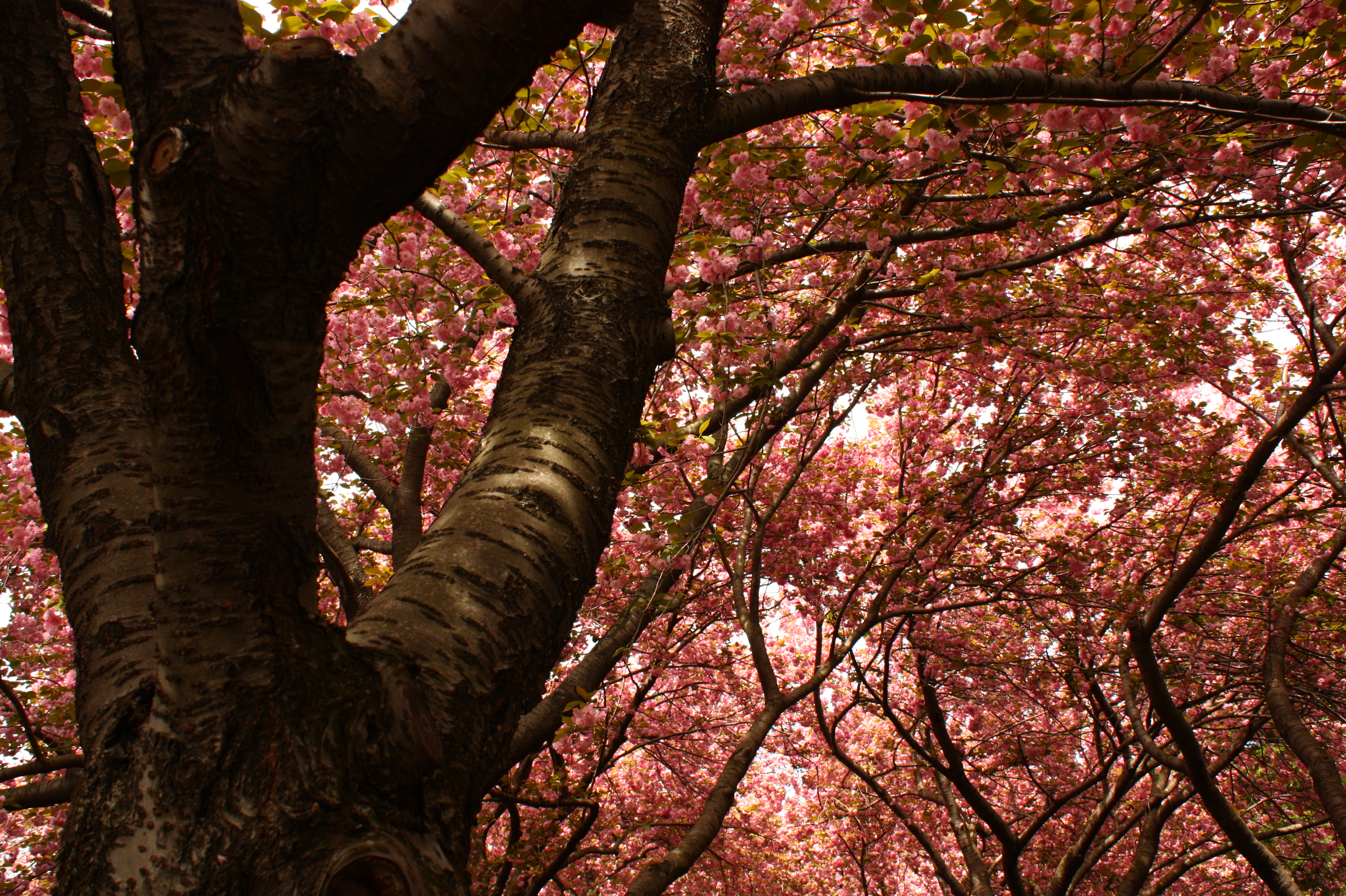
In Ithaca, my favorite season was Autumn – a firedance in the sky, bold and blazing, curling flames at your feet – and in New York, it has to be spring, the teenage of nature, blooming poetry from every stem, every lilting branch, a breathtaking ballet of pink and white to melt the numbest of hearts.
On such a blossomy New York morning last week, my colleague Ryan and I were at Ground Zero, jostling through hundreds of New Yorkers and out-of-towners to catch a glimspe of President Obama as he arrived to lay a wreath at the September 11th Memorial Site, giving symbolic “closure” to the victims and families of the 9/11 attacks following Osama bin Laden’s death.
We didn’t see him, not even a fluttering hand through a darkened car window. But Obama became irrelevant once we actually started talking to people and recording their reactions to the news.
Reactions were predictable: One African-American woman beamed with pride that Obama had been in office “to do this urgent and important duty”. A man who had lost four friends in 9/11 said he felt a sense of “relief” and “joy” beyond words; a young Latino-American who had recently joined the New York National Guard said that Osama’s death was a source of “unity” for the people of New York, that it showed “how Americans come, in all shapes and forms, whatever nationality you are, whatever colour you, you come as one.”
But what was unpredictable was these people’s, these ordinary, middle-class, tax-paying people’s calm acceptance of the fact that yes, this “war” was “not going to end with the death of one person”, and, more disturbingly, that it needed to go on, that it should go on. In the words of one 67-year old ex-Marine, “We have to be there in all of these countries to assist…so we can crush these people when they come in to try and hurt us. It’s not over.”
While Ryan asked the questions and I filmed behind the camera, I thought about the questions I would have liked to asked these people: “But do you know the real victims of your country’s fallacious war? Do you know who actually pays the price? What do you have to say to the families of the tens of thousands of innocent men, women and children killed in Afghanistan, in Iraq, in Pakistan because of this war? Were their lives less valuable than the 3,000 Americans who died here 10 years ago? Do you not see that what you’re calling ‘patriotism’ and ‘duty’ is decimating entire societies, entire nations as we speak?”
I said nothing of the sort. I was a journalist, and Pakistani on top of that, and the last thing I wanted to in that sort of crowd was get into an argument.
Turns out, somebody else was there to do it for me – a lanky, bespectacled and very articulate white dude by the name of Sander Hicks, founder of the “Truth Party”, a grassroots political group that believes in exposing, among other things, that 9/11 was a hoax. Wearing a black T-shirt with the words “9/11 Is A F****** Lie!” emblazoned on the front, Hicks shouted maniacally but fearlessly to the crowd, “Why am I here? Am I here to celebrate and validate a murder? Without a trial, without due process? Or am I here to think about what is really happening in our country? Do we justify war and torture based on 10 years of lies? I say no! And I don’t care if there’s a million people here saying I’m an a**hole, just for standing up for peace and truth!”
I’m still surprised that he got away with saying that, and a lot more, without even a scratch, though there were several jingos in the crowd who would’ve liked nothing better than give the provocative Hicks a square punch in the jaw. But shouting back “A** hole!” is about as far as they let their anger go.
Then, in the middle of the fray, a red-faced, white-mustachioed little man broke in. Wearing a black leather jacket covered in Vietnam insignia, he cried in a thick Texan drawl: “You know what I would’ve done if I were President when 9/11 happened? I would’ve nuked the entire Middle East, starting with Mecca!”
So far that day, I had been watching and listening to everybody almost in the third person, a perfectly neutral body. But at those words, I felt my heart plummet like it would at a vertical drop on a Seven Flags rollercoaster, and a row of goosebumps shot up my spine as if I were suddenly caught in an Arctic gale wearing a T-shirt. I looked up from the camera. My eyes stung; I thought I was going to cry.
It was pure reflex. Something essential and sacrosanct, seeded deep in my soul, had been momentarily convulsed, and at that moment I could’ve clawed out the old geezer’s eyes.
There was a collective gasp from the crowd, and people were quick to admonish, “No, no, that’s crazy!”, “Not all Muslims are bad!”. Clearly, the guy was a loony, and it would’ve been stupid to take anything he said seriously. But his words stayed with me long after his black leather jacket disappeared into New York’s hubbub of loonies, and I thought, “So this is how it feels – to be on the ‘other side’ of extremism?”
We’ve had plenty loonies from our part of the world dispense similar tirades about the West, about the U.S., Europe or Israel – and God knows I’m not a fan of those parts of the world or their foreign policies. But to an ordinary citizen, who has as little control over what their government does as we do over ours, how would it feel, to be so sweepingly abused, to hear people talk about obliterating our very existence, burning flags and defacing temples as if it would have no consequences, as if it would offend or incite nobody; even for someone like me, deeply suspect of nationalism and all other -isms in general, I admit that it would hurt – that it does hurt.
It’s complicated. It’s complicated when imperialism is involved, when capitalism and neo-colonialism is involved, when there is a legitimate anger and resentment and struggle for justice, like in Palestine, or Iraq, Afghanistan and Pakistan. It’s difficult to talk without the invective, without the bitterness, when you have been truly wronged; but all I can say is, let’s let humanity win.
That’s all we have, to keep us alive and save us from total catastrophe. At the end of the day, it’s the ordinary citizen’s sympathies and consicence that we can appeal to, we can touch; it’s their ordinary humanity that we can depend on, not any politician’s or government’s. Let’s not sacrifice that, no matter which ‘side’ we come from.

Absence makes the heart grow fonder?
Yes, I know, I’ve been away for too long, and so much has happened in that time that I don’t know where to pick up the threads. There was the trip to Lahore for my best friend’s wedding, Boston for my new job at Democracy Now, Ithaca for my 26th birthday, tossed up with the hunt for a new apartment, the Greg Mortenson controversy, and now, OBL.
I have a lot I could write, but I’m not going to. It would take me months to catch up. That’s a lesson from knitting (a recently re-discovered pasttime); if you realize you’ve dropped a few stitches here and there, do not attempt to unravel and fix them. Just keep going, or your project will never, ever finish. Of course this applies only to novices and/or perfectionists, of which I happen to be both, and while the former condition can be remedied with experience, the latter is the bane of my life and an utter nuisance, the cause of too many futile frustrations and abandoned efforts – guitar, singing, drawing and painting just a few of them, and at one point, even writing! Perfectionists will know what I’m talking about…
Anyway, enough babble about me. I am just happy to be back, and glad if I was missed :)
Not Being
If home is where the heart is, my heart is forever moving, a gypsy
If a piece of cloth and a stadium slogan is the basis of nationalism, I have no nation
If piety is measured in prayers, in a ledger in a language I don’t understand, I am a heathen
If speech is an adequate expression of sentiment, I have no words
If living by somebody else’s rules is sociability, I am a misanthrope
If white is black and black is white, then I don’t exist.
Egypt

Without prognosticating, analyzing, rationalizing – irrespective of what happens next week, the next day, or the next hour – I think what’s happening in Egypt right now is beautiful.
It’s one of those moments, those rare historical moments that you read about in your classroom within the pages of a textbook, and it all seems so distant, almost fictional, and as you memorize the facts for tomorrow’s quiz you believe quite firmly in your heart that nothing like that will happen in your lifetime. Because you were born too late, because such grand, moving events just don’t happen anymore…
When rank and class and position, the neighbourhood you live in, the clothes you wear, the work you do, the dialect you speak, everything that separates you from your fellow countryman or woman on any ordinary day suddenly melts away; when, for once, a system that is based on divisions and duties and somebody else’s rules breaks down, and people speak with one voice – not hundreds, not thousands, but millions. Then, there is no power, no number of tyrants, tanks or tear gas in the world that can silence them.

I’m not there in Tahrir Square in Cairo, but I can feel the thrill, the exhilaration that something momentous is unfolding before my very eyes.
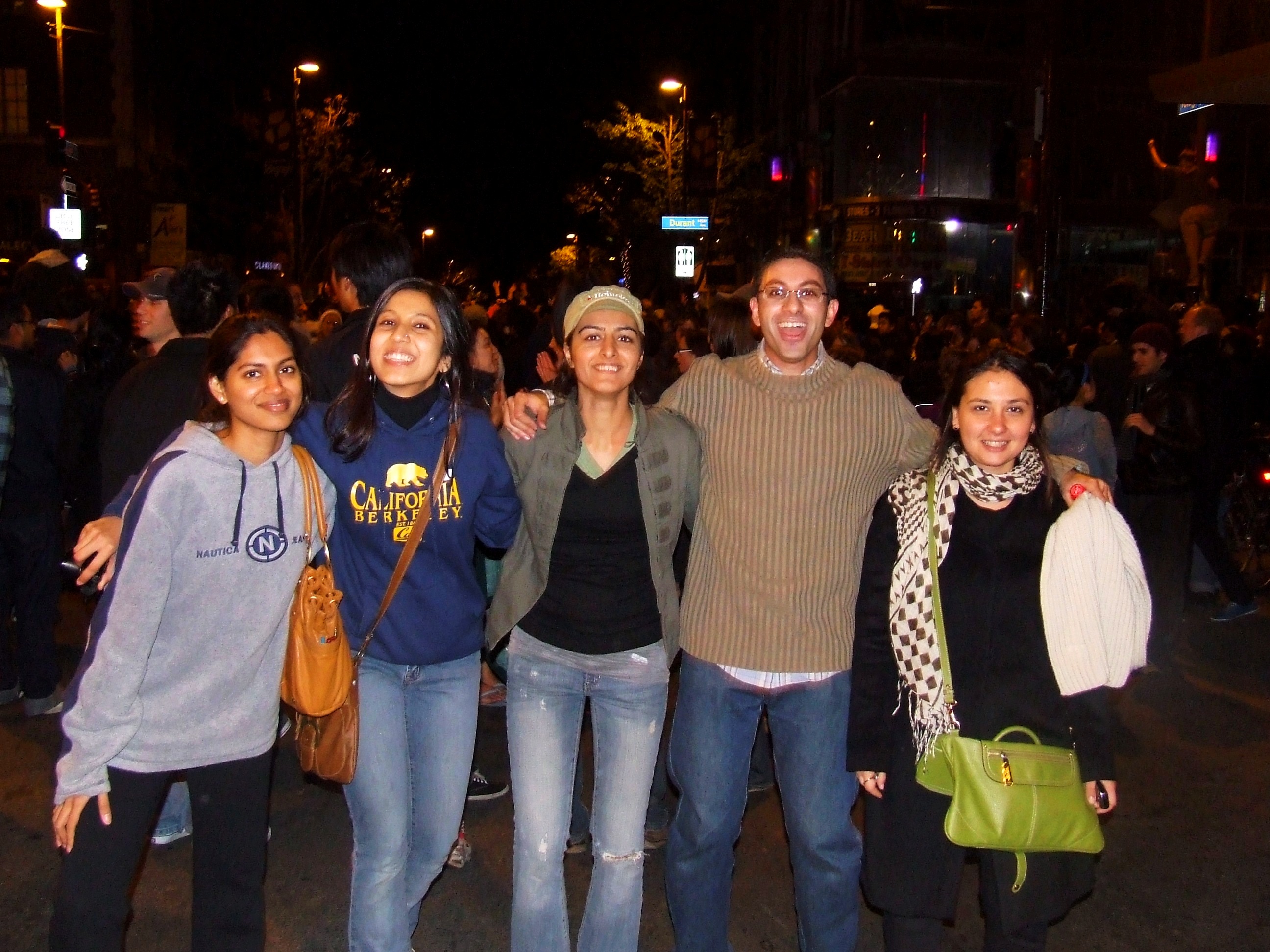
It feels a little like the time when Obama became President in 2008. Irrespective of what came after, the broken promises, the disillusionment, that moment itself was pure magic; when a joy and a hope stronger than anything else swept over us at the I-house in Berkeley, and people from every corner of the world cried and cheered and celebrated in a unison that couldn’t be explained, only experienced.
Or the time when Pakistani students rose up against General Musharraf’s martial law in November 2007, abandoning their books and taking to the streets with a passion that nobody knew existed, and young people in Pakistan felt – even if only for those dramatic few weeks – that we actually had the power to change the society we lived in, for the better.

What ensues from such extraordinary moments isn’t always better, or different from before. But isn’t life more about the moments than the monotonous spaces between them? The birthdays, the marriages, the revolutions and revelations, those precious fleeting moments of unadulerated emotion that you savor and look back to forever?
Egypt has had its moment. Egypt will never be the same. The Arab world will never be the same.
And Egyptians aren’t thinking, “What if Mubarak doesn’t step down after all? What if the constitution isn’t changed at all? What if another puppet dictator takes over in his place?”
These questions and speculations and eternally encumbering “what-ifs” don’t bother them, shouldn’t bother them. The Egyptian people have spoken. They have shown their courage, their humanity, their unity to the world, and to themselves. That is the power, that is the point. That is what matters.

 Windswept Words